
Live Dealer Baccarat Online: A Measured Alternative for Australian Players
If you have spent any time around game mathematics, you know the appeal of a table that runs on a clear rule set rather than a spinning reel. Live dealer baccarat online offers that kind of predictable structure, and for players who prefer pacing over noise, it can be a more comfortable way to settle into a session. The trick is treating it as a different priority altogether, not just another casino product dressed up with a camera.
Why the Table Format Fits a Different Pace
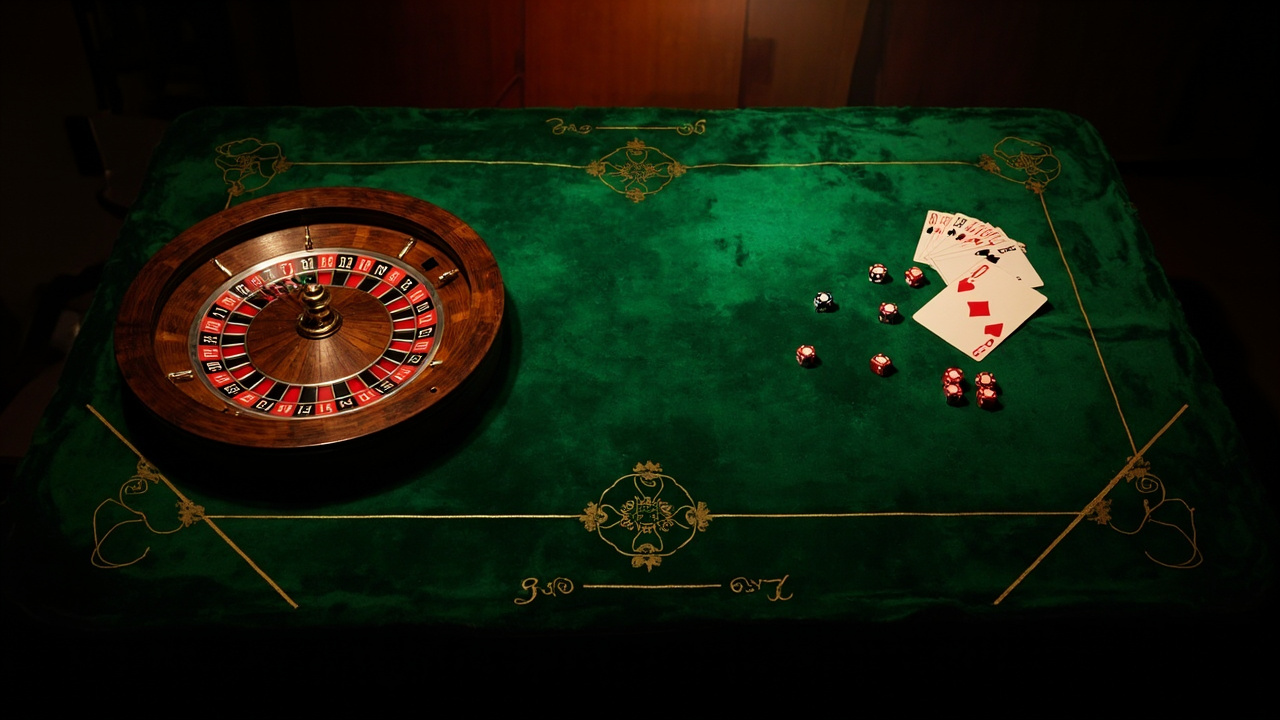
Baccarat is one of the few live table games where the core decision sits with the player before the cards turn over. You pick a side, place the wager, and watch the shoe run its course. That simplicity matters when you are comparing products from a design perspective, because the maths stays exposed: the house edge on the banker bet is usually the leanest option, the player bet carries a slightly higher edge, and the tie bet is where the return curve bends sharply against you. I have built slot simulations where volatility is the whole story, but baccarat is closer to a fixed-probability exercise with a human cadence on top.
For an Australian session, that cadence can work well. The pace is steady rather than frantic, and the rounds do not demand split-second reflexes. You can watch the dealer shuffle, track the roadways if you like pattern reading, and make your next decision without the screen flashing every fraction of a second. If you are playing in the evening after work, the rhythm feels closer to a quiet arvo at the table than a fast-moving spin loop. That is not a selling point for everyone, but it is a real difference if your priority is control over tempo.
How Live Dealer Baccarat Online Is Built Under the Hood
From a specification standpoint, live dealer products live or die on three things: the integrity of the shoe, the clarity of the interface, and the consistency of the broadcast. The shoe itself is usually eight decks in a standard setup, though some tables run six, and the cut card placement determines where the round ends before a shuffle. That detail matters because it sets the practical length of a shoe and the number of decisions you will actually get before the deck resets. I have seen products where the shoe length feels arbitrary, and when the cut is too shallow the rounds start to blur together.
The interface layer is where the designer earns their keep. A clean layout keeps the betting grid legible, shows the current winning side, and presents the commission on banker wins without burying it in fine print. Good products also keep the roadmaps – the bead, big road, and derived tracks – visible without making them the centre of attention. They are entertainment for pattern readers, not a forecasting tool, and any honest presentation should make that obvious. If a table tries to dress those tracks up as a strategy signal, that is a red flag from a maths point of view.
The broadcast side is equally concrete. A stable stream, a dealer who follows the same sequence every round, and a clear hand signal for the result all reduce the chance of a disputed outcome. When I write specifications for a new table, I want the dealer script to be repeatable and the timing between deals to be consistent enough that the round length is predictable. That is not glamour work, but it is what keeps the experience from feeling erratic. A live table that runs well is usually the one where nothing dramatic happens, which is exactly the point.
| Detail | What to expect |
|---|---|
| Typical shoe | 8 decks, standard cut-card placement |
| Main bets | Banker, Player, Tie |
| Banker commission | Usually 5% on winning banker wagers |
| Stream style | Live dealer, real cards, visible shoe |
| Pacing | Steady rounds, player decides before deal |
| Best fit | Players who prefer tempo over rapid action |
The bonus mechanics around these tables deserve a clear eye too. A welcome offer can look appealing on the surface, but the real question is what happens once the initial terms are cleared. Some operators extend ongoing promos that give you a small return on regular play, others run cashback windows that soften a rough session, and a few keep a loyalty or VIP ladder that rewards repeat visits with better support or modest perks. None of that changes the underlying edge, but it does change how the session feels over time. If you are weighing where to play live dealer baccarat online, the recurring value is often more useful than a one-off headline figure.hell spin casino no deposit bonus codes Live Casino Spelen In Nederland With
I would rather see a modest cashback structure and a transparent loyalty path than a large welcome bonus attached to awkward turnover requirements. Claire Anderson, Risk and Integrity Manager, Southern Capital Advisory, puts it plainly: the operators that hold up over time are usually the ones whose terms are easy to read before you commit, not the ones with the loudest opening offer. That is a useful filter when you are comparing tables and promotions side by side.
For players in regional Queensland, the practical fit often comes down to connection and session length rather than anything exotic. A stable local connection, a table that does not overheat the guide your data plan, and a pace that lets you step away without losing your place are all genuine conveniences. If you are logging on from a regional town after a long day, you are probably not looking for a high-pressure sprint. You want a table that behaves the same way each time you open it, with clear terms and a dealer who keeps the round moving without rushing it.
Payments and registration should be straightforward enough that they do not become the main event. A clean sign-up flow, a currency setup that matches what you actually intend to use, and a support path you can reach without digging through three menus are all part of the same usability story. Mobile play should simply work without turning the betting grid into a puzzle on a smaller screen. None of these are flashy features, but they are the details that decide whether a table gets reused or abandoned after the first session.
Who This Format Suits Best
This style of play tends to suit people who like a clear decision up front and do not need the screen to keep demanding attention. If you enjoy reading a rule set, understanding where the edge sits, and then letting the shoe run, live dealer baccarat online can feel more like a deliberate session than a reflex loop. It also suits players who value a human element in the deal without wanting the pace to become frantic.
It is less suited to anyone chasing a fast adrenaline spike or expecting the roadways to turn into a forecasting system. The game does not reward that kind of reading, and a good presentation should not pretend otherwise. If your priority is a measured table with a transparent rule set and a steady rhythm, this format has a real place in the mix.
When you compare options, keep the focus on the table itself and the ongoing value around it, not just the opening offer. A welcome deal can get you in the door, but the repeat-play reasons are what determine whether you come back: recurring promos, cashback, loyalty or VIP treatment, and tournaments if the operator runs them in a way that actually fits the table. None of that guarantees a result, and no honest operator should suggest it does, but it does shape the experience after the first session.
If you are weighing a first step, it is worth checking whether the operator gives you something useful beyond the welcome window, and whether the table terms are easy to read before you commit. A modest, well-structured offer with clear follow-on value is usually a better fit than a loud headline attached to heavy turnover. For a closer look at how a no-deposit angle can fit into that first session, you can check the hell spin casino no deposit bonus codes for a sense of how some operators structure an entry offer.
A final note on jurisdiction: Australian players should treat any online table as an offshore offering and understand that it is not licensed or regulated within Australia. That is not a reason to avoid play, but it is a reason to be clear-eyed about what you are signing up for, to read the terms carefully, and to keep the session within what you are comfortable funding. Play for the table, not for the promise, and the pace will usually look a lot more sensible.